

The Power of Positive News and Mental Health: Finding Hope During Difficult Times
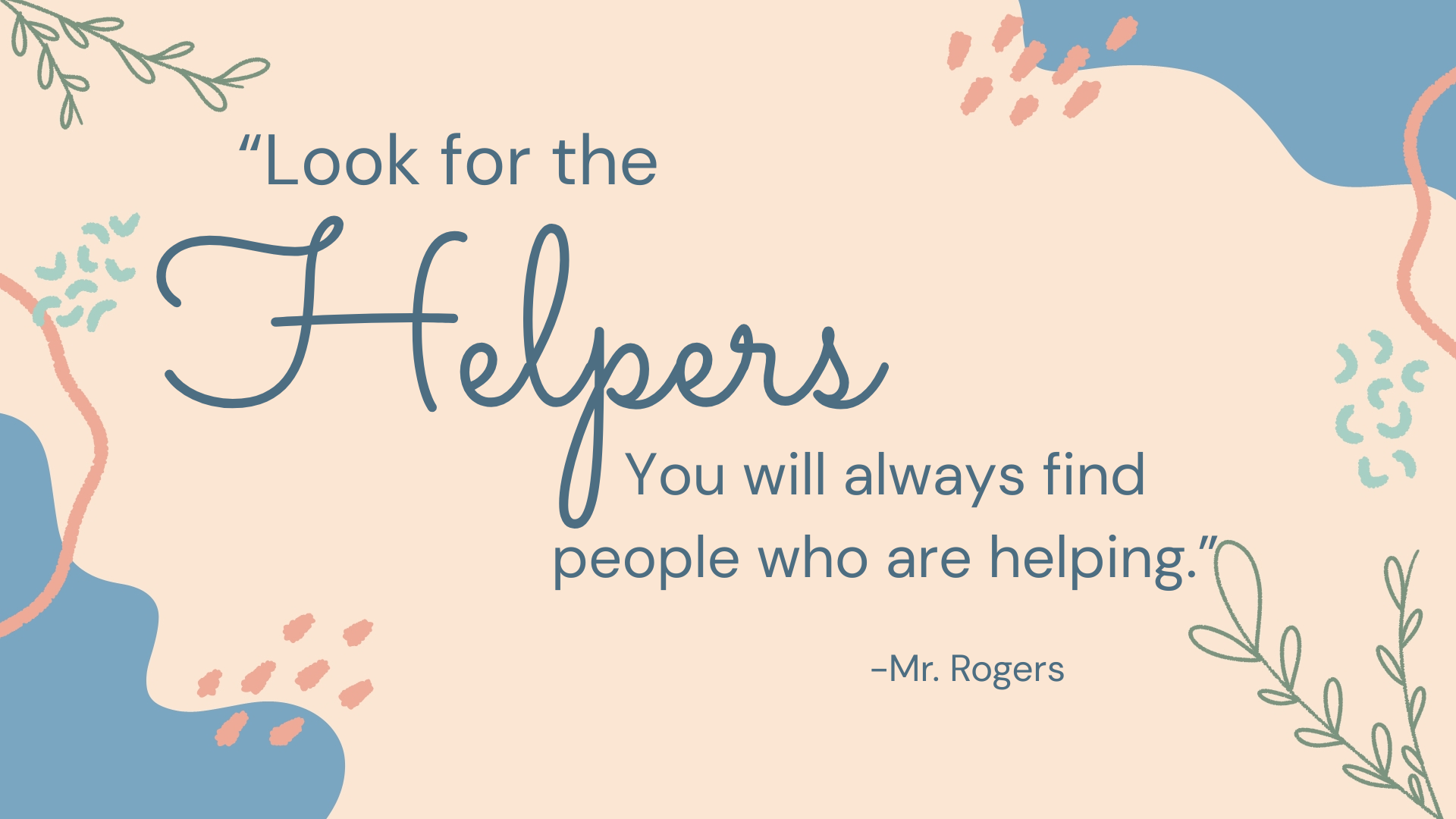
Mr. Rogers offered this guidance during moments of collective fear and uncertainty. When the world feels overwhelming, our nervous systems instinctively scan for danger. This response is protective, but when it’s constantly on overload it can leave us feeling anxious, hopeless, or emotionally depleted. Intentionally looking for helpers, acts of kindness, and signs of progress allows our brains to register safety alongside reality. While it doesn’t minimize hardship, it helps us stay regulated enough to cope with it.
In today’s climate marked by political shifts, increased ICE raids, global conflict, and ongoing community trauma, many of us are experiencing heightened stress and uncertainty. I cannot say that I myself am free from the effects of what is going on around us. Finding moments of hope and balance has become not just comforting, but necessary for our personal and collective mental well-being.
One resource that supports this balance is the Good News Network (https://www.goodnewsnetwork.org), a platform dedicated to sharing uplifting, non-triggering stories. A network that many of us might remember getting started during our most recent global challenge during COVID lock-down, this network still brings moments of connection and joy by providing us with a reminder that good things are always happening around us, even when the bad news can feel so loud. Engaging with positive news can be a meaningful way to care for your emotional health while still feeling connected to the world around us.

How Constant Exposure to Negative News Affects Mental Health
The way we consume news has changed dramatically. Social media and 24-hour news cycles, not to mention the ever responsive algorithms, mean we are exposed to distressing information almost constantly. For many people, this leads to doomscrolling, which is the repeated consumption of upsetting news even when it increases emotional distress.
Recent events, including highly publicized ICE raids, changes in immigration enforcement, and shifts in the political climate, can understandably trigger fear, grief, anger, or a sense of helplessness, especially for individuals from immigrant communities or those who care deeply about social justice and human rights.
When our brains are repeatedly exposed to threatening information, we struggle to return to a state of calm.
Why Doomscrolling Happens (And Why It’s Not Your Fault)
Doomscrolling is not a personal failure, it’s actually rooted in brain science:
Negativity bias: Our brains are wired to focus on threats to keep us safe.
Reassurance-seeking: We scroll hoping for relief, clarity, or a sense of control.
Repetition overload: Seeing the same tragic event across platforms can make it feel ongoing or escalating.
Our brains often register repeated headlines as new threats, even when they describe the same event. This activates our “caveman brains”, and makes us more likely to seek out other potential threats around us to make ourselves feel more in control. Also, our brains don’t completely understand the difference between something happening “there” and that it is not happening directly to us “here”. This keeps the nervous system activated and can increase anxiety, sleep disruption, irritability, and emotional exhaustion. The irony is that our brains are not meant to absorb this much information, and instead of making us feel safer, it makes us feel even more out of control.
Research suggests it can take multiple positive experiences to counteract the impact of a single negative one, highlighting the importance of intentionally seeking balance.

How to Recognize When Doomscrolling Is Affecting You
You might notice doomscrolling if you experience:
Increased anxiety or heaviness after reading the news
Difficulty sleeping after scrolling at night
Feeling emotionally flooded, numb, or on edge
Compulsively checking updates even when they feel distressing
A sense of hopelessness about the future
Awareness is the first step toward creating change.
A Somatic Check-In: Listening to How Your Body Is Holding Stress
When the news feels heavy, our bodies often react before our minds fully catch up. Somatic processing invites us to gently notice where stress is showing up physically, without judgment or the need to “fix” it right away. This awareness alone can help calm the nervous system.
You might notice stress in your body in ways such as:
Tightness in your chest or throat, making it feel harder to breathe deeply
Clenched jaw, shoulders, or neck, as if your body is bracing for something
A knot or heaviness in your stomach or chest, or a sense of restlessness or unease
If you notice these signals, consider pausing and offering yourself a moment of care:
Create digital boundaries: Mute or block accounts, creators, or conversations that increase distress. This is not avoidance, it’s self-protection.
Slow your breath: Try one deep breath in through your nose and a longer exhale through your mouth, signaling safety to your nervous system.
Ground in the present moment: Name five things you can see, four things you can feel, or notice your feet connected to the floor.
Reconnect with what’s going well: Gently reflect on small moments of goodness around you, such as supportive people, the warm blanket on your lap, your pet sleeping in the room next to you, or acts of kindness you’ve witnessed recently.
These practices help your body remember that while difficult things are happening in the world, you are safe in this moment. Small pauses like these can reduce overwhelm and build resilience over time.

How Positive News Supports Emotional Regulation and Resilience
Positive news sources like Good News Network offer a counterbalance to the brain’s natural negativity bias. By highlighting stories of kindness, resilience, and progress, they help the nervous system shift out of constant threat mode.
Mental health benefits of positive news include:
Reduced anxiety and stress: Positive stories can support emotional regulation.
Increased hope: Seeing helpers and solutions reinforces that change is possible.
Interrupting doomscrolling patterns: Intentional content choices can reset habits.
Strengthened resilience: Stories of perseverance remind us we are not alone.
This is especially important during times of political unrest or community trauma, when many people feel powerless or overwhelmed.
Practical Ways to Create Healthier News Habits
You don’t need to disconnect completely to protect your mental health. Small, intentional changes can make a meaningful difference:
Set boundaries around when and how often you consume news
Avoid scrolling first thing in the morning or right before bed (I know, I can hear your eyes rolling from here, but it really does help…)
Follow positive or solutions-focused news sources
Pause and check in with your body while reading headlines
Balance difficult news with content that restores hope
These practices help your nervous system stay grounded so you can remain engaged without becoming depleted.
Positive News Sources That Support Mental Well-Being
In addition to Good News Network, you may find these sources helpful:
The Optimist Daily – https://www.optimistdaily.com
Upworthy – https://www.upworthy.com
BBC Future – https://www.bbc.com/future

Finding positive connections in the community can build a feeling of comfort and support, to make things feel less lonely and heavy. You are not alone.
You Don’t Have to Carry This Alone
If the news has been weighing on you, especially around political changes, immigration enforcement, or ongoing global crises, know you are not alone. These reactions are human, valid, and understandable.
Reaching out for support can make a meaningful difference. That might look like:
Talking with a trusted friend or family member
Sharing how you’re feeling instead of holding it in
Setting boundaries around news consumption
If you find that anxiety, fear, or overwhelm are interfering with your daily life, therapy can provide a supportive space to process these emotions, build coping tools, and restore a sense of balance and safety.
If you’d like support navigating these challenges, I invite you to reach out. You deserve care, connection, and compassion, especially during difficult times.
