

Halloween, Mental Health, and the Power of Playful Tradition
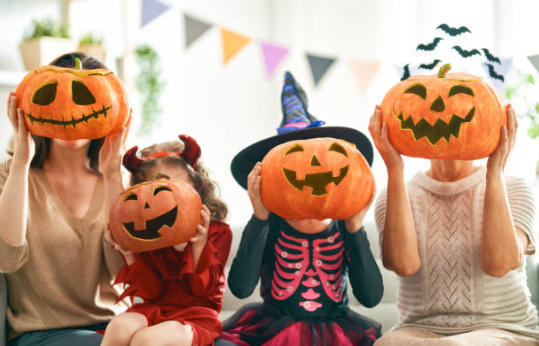
Finding ways to celebrate with your family is a very connective experience!
When I think back to the first months of the COVID-19 pandemic, one of the things that stood out to me most was the way people responded to the heaviness of uncertainty. In the middle of lockdown, many families and individuals decided to decorate early, or keep their decorations up long after the season passed. Some neighborhoods lit up with Christmas lights in March. Others pulled out their Halloween pumpkins and skeletons in April, filling yards with playful reminders of better times.
At first glance, it may have seemed unusual. After all, why would anyone decorate for a holiday months away, when the world felt so upside down? But the truth is, these gestures weren’t just about twinkle lights or pumpkins. They were about joy. They were about taking control in a moment where so much was out of our hands. They were about challenging unspoken “rules” of when it’s acceptable to celebrate, and embracing the idea that meaning is something we create for ourselves.
This surge of early and extended holiday cheer became deeply inspirational. It reminded us that some paradigms, like when we are “allowed” to celebrate, only exist because we collectively uphold them. When life felt bleak, many people found comfort in choosing joy, even if it looked different than what society expected. And that choice held powerful mental health benefits.
As we step into Halloween season each year, I find myself reflecting on the ways this holiday in particular can support our mental health. While often dismissed as a commercial holiday full of candy and costumes, Halloween also offers unique opportunities for play, connection, creativity, and even resilience. Let’s explore some of the surprising ways celebrating Halloween can nurture emotional well-being.
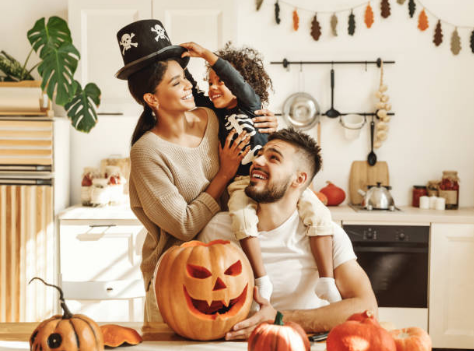
1. Stress Relief Through Play
As adults, many of us lose opportunities for unstructured play. Our days become filled with responsibilities. Work, bills, care giving, errands. Halloween, however, creates a rare chance to step outside of daily roles and embrace playfulness. Dressing up in costume, carving pumpkins, decorating, or attending themed events can transport us back to a childlike sense of wonder.
Play is not frivolous, it’s deeply restorative. Research shows that engaging in playful activities can lower stress hormones, boost mood, and improve problem-solving skills. When we allow ourselves to be silly or imaginative, we give our nervous systems a break from constant hypervigilance.
During COVID lockdowns, that’s what early decorating really was: a form of collective play. People gave themselves permission to be lighthearted in the middle of something very heavy. Today, leaning into the playful aspects of Halloween can be just as beneficial, offering a way to manage stress and find moments of relief.
2. Community Connection and Belonging
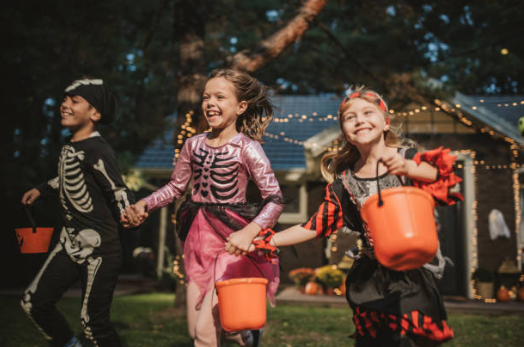
Mental health thrives in connection, and Halloween is a holiday rooted in community. Trick-or-treating brings neighbors together. Community festivals and trunk-or-treats create safe, shared spaces for joy. Even putting out a bowl of candy is an act of generosity and invitation to connection.
Isolation is a major factor in mental health struggles. Halloween’s traditions, whether big or small, remind us that we are part of something larger. Decorating your home, handing out candy, or attending a party is not just about the activity itself; it’s about saying, I’m here. I’m part of this community. I want to share joy with others.
For children especially, the ritual of walking from door to door fosters a sense of belonging and trust in their neighborhood. For adults, gathering with friends or co-workers in costume helps break down barriers and build camaraderie.
The early pandemic decorations were a vivid illustration of this. Even when we couldn’t be physically close, people put decorations in windows and yards as a way of signaling: We’re in this together. You’re not alone. Halloween continues to offer this same sense of connection each year.
3. Safe Exploration of Fear
Halloween is often associated with scary movies, haunted houses, and spooky themes. On the surface, these activities might seem like they’d increase stress rather than reduce it. But there’s a psychological benefit to exploring fear in a safe, controlled environment.
When we watch a horror movie, walk through a haunted attraction, or jump at a jack-o-lantern popping up unexpectedly, our bodies experience a surge of adrenaline. However, because we know we are ultimately safe, our brains can process that fear as excitement rather than trauma. This builds resilience and helps us learn how to regulate emotions in moments of stress.
For children, dressing up as monsters or witches allows them to become the thing that scares them, flipping the script and reclaiming power. For adults, it’s a reminder that fear can be faced, and even enjoyed, when we know we have control over the outcome.
The pandemic taught us a lot about fear, the real, uncontrollable kind. Halloween gives us space to practice engaging with fear in ways that are playful and empowering, which can strengthen our coping strategies for the more difficult fears life inevitably brings.
4. Creative Expression and Identity
Halloween is one of the few cultural spaces where creativity is not only encouraged but celebrated. Costumes, makeup, decorations, and themed treats all provide outlets for artistic expression. Whether someone chooses an elaborate homemade costume, a simple pun-based outfit, or a house full of spiderwebs, they are tapping into imagination and self-expression.
This has significant mental health benefits. Creative activities stimulate the brain’s reward systems, reduce anxiety, and increase feelings of accomplishment. For people who may not see themselves as “artistic,” Halloween lowers the stakes. Creativity doesn’t have to be perfect, it just has to be fun.
Costumes also allow for exploration of identity. For one night, we can try on a different role—whether that’s a superhero, a favorite character, or something spooky. This can be particularly freeing for individuals who may feel boxed in by societal roles or personal expectations. In therapy, we often talk about the importance of “trying on” new perspectives. Halloween offers a literal version of that process.
5. Mindful Nostalgia and Comfort
Traditions like Halloween also connect us to our past selves. Smelling a carved pumpkin or hearing the crunch of leaves underfoot can spark memories of childhood trick-or-treating or community events. This kind of mindful nostalgia can be incredibly grounding.
In times of stress, familiar rituals give us a sense of stability. They remind us of continuity—that life has rhythms and cycles, even when things feel chaotic. During COVID, early holiday decorating gave people a way to anchor themselves to traditions that brought comfort and predictability.
When we lean into seasonal traditions, we are not just indulging in nostalgia—we are practicing mindfulness. We are fully present in sensory experiences: the taste of candy corn, the glow of candlelight inside a jack-o-lantern, the sound of laughter echoing through the neighborhood. These small moments can offer peace and grounding in a fast-paced, uncertain world.
6. Seasonal Mood Boost
Finally, celebrating Halloween helps combat the emotional impact of seasonal changes. For many, autumn can bring the early stirrings of seasonal affective disorder (SAD) as daylight shortens. Engaging in fun, community-oriented activities provides a natural boost of dopamine and serotonin, which can offset low moods.
Pumpkin patches, apple cider, hayrides, haunted houses! These activities bring people outdoors, encourage movement, and provide opportunities for social connection. Even small acts like putting up festive decorations or watching a Halloween movie marathon can lift spirits and ward off seasonal blues.
The key takeaway is that these rituals aren’t just about candy or costumes. They are about intentionally cultivating joy at a time of year when our bodies and minds may need it most.
Challenging Expectations, Creating Meaning
What the pandemic taught us, and what Halloween continues to illustrate, is that joy is not bound by the calendar, nor by societal rules. People who decorated early during lockdown were making a conscious choice to prioritize joy and connection. They were rejecting the idea that we must wait for permission to celebrate, and instead embracing what was meaningful to them in the moment.
This is a powerful mental health lesson: many of the “rules” we live by are not fixed truths. They are paradigms that can be challenged and reshaped to better serve us. Whether it’s celebrating early, embracing play as an adult, or giving ourselves permission to be creative and silly, we can choose to cultivate joy whenever we need it most.
Halloween, with its mix of tradition, community, play, and creativity, offers an annual reminder of that freedom. By leaning into the holiday, not just for children, but for ourselves, we can tap into resilience, connection, and mental well-being.
Closing Reflection
As a therapist, I often encourage clients to notice the small ways they can bring joy, creativity, and connection into their lives. Celebrating Halloween is one of those opportunities. Whether it’s carving a pumpkin, dressing up with friends, handing out candy, or simply enjoying the sight of neighbors’ decorations, these rituals matter.
They remind us that we have the power to shape meaning, to find comfort in tradition, and to choose joy even in difficult times. Just as people found inspiration in decorating during lockdown, we can continue to honor these practices as ways of nurturing mental health all year long.
So this Halloween, I encourage you to notice how the season supports your well-being. Maybe it’s through laughter, maybe through community, or maybe through the simple act of putting a little pumpkin on your desk. However you choose to celebrate, remember: joy is never frivolous. It’s essential.
