

Thanks Living: How to Manage Holiday Stress, Set Healthy Boundaries, and Protect Your Mental Health
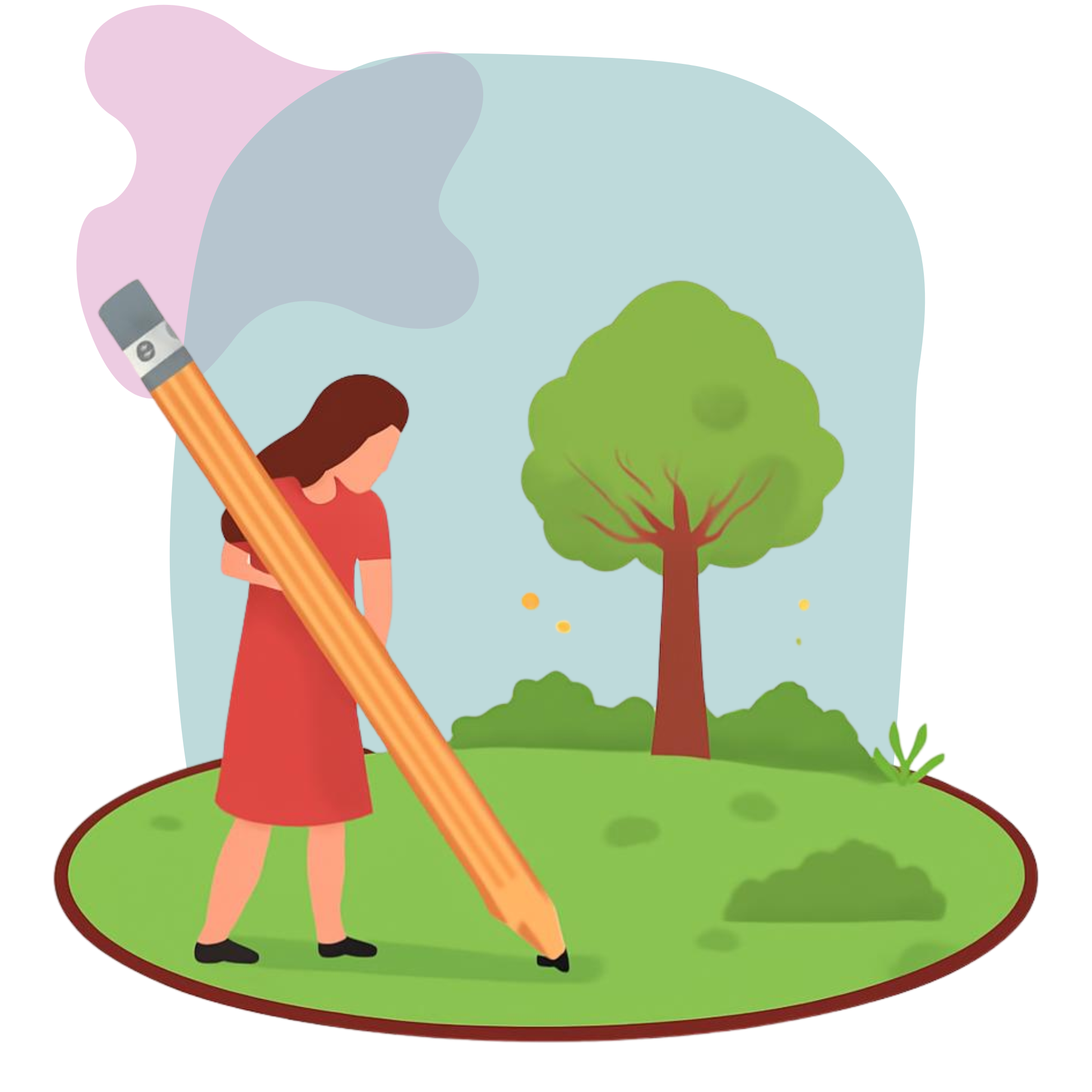
Drawing boundaries can make you feel more grounded, and able to manage stress and expectations.
The holiday season arrives each year with predictable enthusiasm: glowing commercials, cheerful music, warm family imagery, and reminders to be grateful, connected, and endlessly festive. But for many people, Thanksgiving and the weeks that follow are some of the most stressful times of the year.
There is pressure to buy, cook, host, attend, perform, and somehow experience emotional closeness on command. If holiday stress already spikes your anxiety, the cultural message of “be joyful and fully present” can feel more discouraging than inspiring.
This is where the idea of Thanks Living comes in. Not just Thanksgiving, but a more intentional and sustainable way of caring for yourself, setting boundaries, and navigating complicated family dynamics during the holiday season.
Thanks living is about making choices that support your mental health, well-being, and emotional energy, even when old patterns, family expectations, or holiday pressures try to pull you in another direction.
The Reality Behind Holiday Stress
For many individuals, the holiday season is less about celebration and more about survival. You may feel drained by social obligations, overwhelmed by family expectations, or disconnected from the warm and grateful emotions the season advertises.
Maybe you have complicated relationships with family members. Maybe the idea of gathering around the table already triggers stress because of past conflict, unresolved tension, or predictable comments from certain relatives.
You are not alone.
Holiday stress and holiday anxiety are extremely common, and acknowledging that truth is the first step toward navigating the season with more clarity and self-compassion.

Figuring out your own needs and boundaries can make it easier to approach the needs of others.
Reflecting on Your Goals, Needs, and Boundaries
One of the foundations of mental health during the holidays is understanding what you actually need—not what others expect from you. Before stepping into any event or tradition, consider asking yourself:
What matters most to me during this holiday season?
What boundaries support my emotional and mental well-being?
How much time, energy, and interaction feels healthy for me?
What expectations am I carrying that do not align with my needs?
Clarifying these answers helps reduce holiday stress and gives you a roadmap for maintaining your emotional balance.
Thanks living means choosing presence and peace over pressure and performance.
Do You Need a Direct Conversation? Or Just Clear Boundaries?
One of the biggest questions around family dynamics is whether you should address concerns directly or simply enforce boundaries through behavior.
When a Direct Conversation Supports Healthy Connection
A clear conversation may help when:
You’re shifting long-standing patterns.
You want expectations to be transparent.
You know the person respects your needs and communication.
The boundary affects the schedule or logistics (timing, housing, participation).
Examples of gentle, clear communication:
“I’ll be leaving around 7 so I can take care of myself and stay grounded.”
“I’m avoiding political conversations this year because I want us to enjoy our time together.”
“I care about our relationship, and having this boundary helps me show up more meaningfully.”
These statements support healthy relationships and reinforce that boundaries create connection—not distance.
When You Can Set Boundaries Without a Big Talk
You don’t always need to announce your emotional limits. Sometimes, actions speak just as clearly.
Ways to maintain boundaries through your behavior:
Step away from a stressful conversation. Get water, stretch, help in the kitchen, or simply excuse yourself.
Change the topic. A simple redirect like, “Oh, that reminds me of something from work…” can diffuse tension.
Stay neutral. You don’t need to match intensity or engage in topics that drain you.
Choose where you sit. Physical space creates emotional space.
Take breaks. A deep breath outside can reset your nervous system.
Limit your time. Arriving late or leaving early is a valid form of self-care.
Boundaries are not punishments. They are choosing how, where, and when you participate.

Your needs and feelings matter just as much as anyone else’s.
Respect Goes Both Ways: Challenging the “Respect Your Elders” Narrative
Many people grew up hearing, “You must respect your elders.” But respect is not a one-way street.
Yes, you can show politeness. Yes, you can be courteous.
But your age, role in the family, or position in the hierarchy does not make you less deserving of respect.
You are their family too.
You also deserve emotional safety, kindness, and consideration.
In any healthy relationship, both people care about each other’s comfort, needs, and values. You are allowed to choose how you engage in relationships and what level of participation feels right for you.
This is essential for healthy boundaries during the holidays.
Understanding Holiday Anxiety and the Stories It Creates
Holiday anxiety is powerful. It thrives on predicting worst-case scenarios, rehearsing imaginary conflicts, and convincing you that stress = preparedness.
But anxiety often creates stories that are not true. It fabricates drama to give you a false sense of control, when in reality, it increases feelings of overwhelm.
Here’s what research and experience tell us:
Most of our anxious predictions never happen, or happen at a much smaller scale than we imagined.
To challenge anxiety, try this reframing:
What evidence supports this worry?
Has this actually happened before?
If it does happen, can I handle it? (The answer is almost always yes.)
What is a more realistic outcome?
This reframing reduces anxiety and strengthens emotional resilience, helping you stay grounded during stressful family interactions.
Choosing What Feels Good: Relationships and Activities that Support Your Well-Being
Thanks living also means moving yourself toward people, experiences, and activities that bring value and comfort.
You can:
Spend time with relatives who feel safe and uplifting.
Gravitate toward friends or younger family members who feel easier to connect with.
Prioritize activities that bring calm or joy like cooking, walking, helping children with crafts, or connecting with someone who understands you.
Limit or decline participation in traditions that feel draining or misaligned.
Saying yes or no intentionally is one of the strongest mental health tools you have.

Look at what YOU need, and how you can achieve that.
Practical Ways to Protect Your Peace This Holiday Season
You have more options than you may realize:
1. Limit Your Time
Stay for dessert instead of dinner, or set a clear arrival and exit plan.
2. Stay in Your Own Space
Choosing a hotel, Airbnb, or friend’s home gives you control over your boundaries and decompression time.
3. Bring Coping Tools
Deep breathing, short breaks, grounding exercises, journaling, or a calming playlist can help regulate stress.
4. Attend the Parts You Enjoy
You do not need to participate in every event, meal, or conversation.
5. Choose Not to Attend
Skipping an event is not selfish; it is self-awareness.
Every option is a valid form of mental health self-care.
Why Thanks Living Matters
Thanks living is about alignment—choosing actions that support your emotional needs and mental well-being. It is not about avoiding people or creating conflict. It is about creating healthier, more sustainable relationships, especially with those you care about.
Boundaries give you clarity.
Boundaries give others clarity.
And boundaries create space for deeper, more respectful connection.
A person who values you will care about your comfort. Anyone who cannot tolerate your basic needs is showing you important information about the relationship.
Thanks living helps you honor that truth.

Being able to meet your own needs can bring you closer to those you love, and create strong and genuine relationships!
When Therapy Can Help During the Holiday Season
If this time of year brings up:
Chronic anxiety
Complicated family dynamics
Difficult memories
Grief or emotional overwhelm
Feeling disconnected from holiday expectations
Therapy can support you.
A therapist can help you:
Understand emotional patterns that surface during the holidays
Develop coping skills for stress and anxiety
Learn communication strategies for healthy boundaries
Process past or present family challenges
Create a holiday plan that is safe, intentional, and grounded
You don’t have to navigate holiday stress alone.
Therapy offers understanding, tools, and a space to feel supported in a season that often demands more than it gives.
Choosing Thanks Living Today
You get to define how you show up this holiday season. You get to choose what you participate in, what you decline, and what you prioritize.
Thanks living is about honoring your values, caring for your mental health, and building relationships rooted in mutual respect.
And that might be the most meaningful tradition you create this year.

Ready to Talk Through These Holiday Challenges?
If you find yourself resonating with the themes in this article, like holiday stress, family dynamics, anxiety, boundary-setting, or feeling disconnected during this time of year, you do not have to navigate it alone. This season can bring up complex emotions, and having a supportive space to process them can make all the difference.
If you would like guidance, a place to reflect, or support in building the coping and communication skills that help you move through these challenges, I invite you to reach out. Acorn & Oak Services is here to help you understand your needs, strengthen your boundaries, and create a more grounded, intentional experience, both during the holidays and beyond.
You can learn more or contact me through my Contact & Scheduling page to find a time that works well for you!
