

Celebrating and Reflecting on Transgender Awareness Week (Nov 13–19)
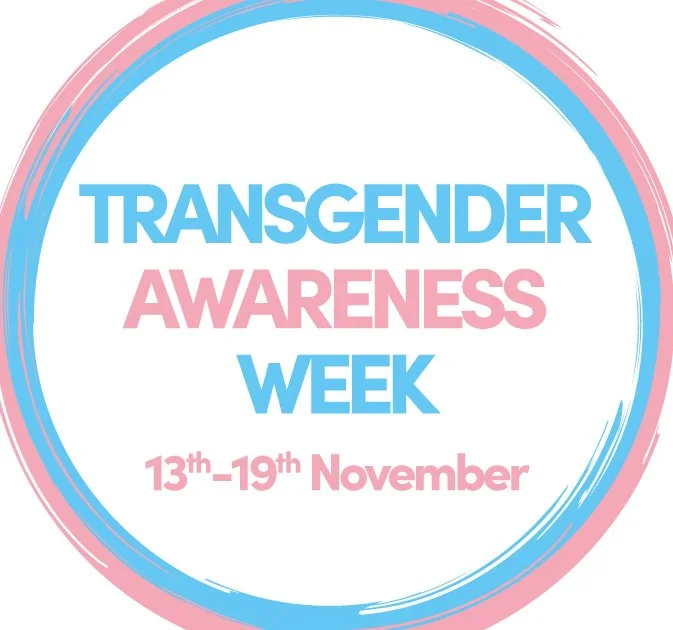
This year, like every other, we need to celebrate diversity and inclusivity in our community, and observe Transgender Awareness week from November 13-19th.
Every year from November 13th-19th, we observe Transgender Awareness Week, a time to raise visibility, build understanding, and honor the lives and experiences of transgender and gender-diverse people. GLAAD+1 Whether you identify as transgender or are exploring your gender identity; whether you know someone who is transgender, or you’re simply seeking clarity and support, this week offers an invitation to engage, learn, reflect and act. In this blog, I’ll walk you through what being transgender means, highlight common misunderstandings and reframing, share why this week matters (backed by data), explore ways people can find support and growth, provide ideas for how to support someone who is transgender, and suggest reflections and community-actions you can join. And if you need help processing any of this, feel free to reach out. I’m here for you.
Coming soon! On my website you’ll soon find a dedicated Resources page (coming January 2026) with additional supports listed.
Finding meaning in how we identify ourselves and our ability to chose how to live our lives.
What does “transgender” mean?
Let’s begin by putting in plain, respectful terms what “transgender” means and why language matters.
The term “transgender” (often shortened to “trans”) is an umbrella term used to describe people whose gender identity differs from the sex they were assigned at birth. American Psychological Association
In more detail: when someone is born, medical staff usually note a sex (male or female) based on physical anatomy. Gender identity is how someone sees themselves—man, woman, both, neither, or another identity. For transgender people, this internal sense of gender does not match the initial assignment. A4TE
It’s important to understand: being transgender is not about whom someone is attracted to (sexual orientation). It is about one’s gender identity and how they understand and live it. A4TE
Also, there is a wide range of experience under the trans umbrella. Some people identify within the male/female binary (for example “trans man” or “trans woman”), and others identify non-binary, genderqueer, or gender-fluid. All of these are valid. WebMD
So, in short: when a person’s internal sense of gender is different from what was assigned at birth, that person may identify as transgender.
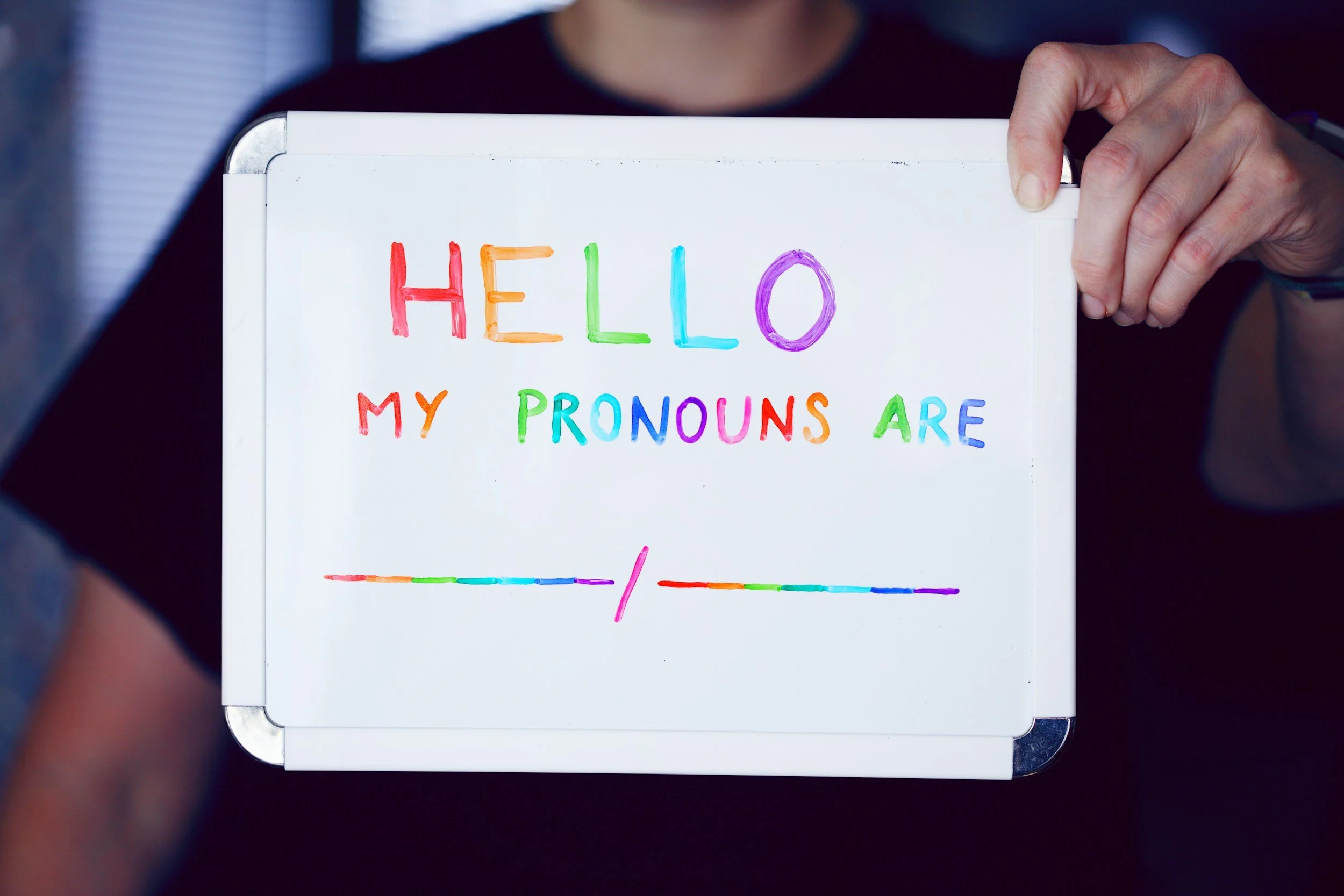
Every one of us fall somewhere on the many aspects of the gender identity, expression, and attraction spectrums, and taking time to understand ourselves and others can be incredbily empowering and supportive.
Common perceptions and misunderstandings, and reframing with accurate information
There are many perceptions—some rooted in misunderstanding, stereotypes or outdated ideas—about transgender people. Let’s explore a few, point out why they can be incorrect, and reframe them with accurate, compassionate information.
Misperception: “Being transgender is just a fashion statement or a phase”
Why this is incorrect: For many transgender individuals, the experience of gender mismatch is deeply felt, longstanding, and tied to their identity, not a temporary whim or trend. Forcing someone to delay or re-examine their identity because it might be a “phase” can add resentment, shame or delay access to appropriate support. It can be harmful to this persons sense of self, safety, personal relationship with you, and feeling of connection to their community.
Reframing moment: Being transgender is about aligning one’s life, internally, socially, legally, medically (as desired), with one’s true gender identity. Some people may explore that journey more gradually, others more distinctly; none of it should be casually dismissed.
“You must undergo surgery or medical transition to be truly transgender”
Why this is incorrect: While some transgender people do pursue medical steps (hormones, surgery), many do not—either because they do not want to, cannot access it, or choose a different path. Transition means different things for different people. A4TE+1
Reframing moment: Transition is a unique personal journey. The core is living in a way that is authentic to one’s sense of gender. Medical or legal steps are optional, not prerequisites for authenticity.
“Transgender identity is the same as sexual orientation”
Why this is incorrect: Gender identity (who you understand yourself to be) and sexual orientation (who you are attracted to) are distinct. A transgender person might identify as straight, gay, bisexual, asexual, or any other orientation. A4TE
Reframing moment: Think of gender identity and sexual orientation as separate dimensions of identity. Respecting both in someone’s life helps create affirmation and understanding.
“Transgender people are extremely rare” or “I don’t know any personally”
Why this is misleading: While statistical estimates vary, the number of people who identify as transgender is significant, and many might know someone without realizing it.
Reframing moment: Recognizing that transgender people exist across all communities, backgrounds and walks of life helps normalize their presence, reduce “othering,” and open the door to more understanding interactions.

Every human is valuable and worthy of dignity and respect.
Why Transgender Awareness Week matters: The data and realities
This section shares data and real-life conditions to articulate why raising awareness is not just symbolically important; it is critical.
What is Transgender Awareness Week?
Transgender Awareness Week, observed annually from November 13–19, leads into the Transgender Day of Remembrance on November 20. Its purpose is to raise the visibility of transgender and gender-diverse people, bring attention to issues and promote allyship. fenwayhealth.org
The realities of risk, discrimination and mental health
A survey of LGBTQ+ youth found that 46% of transgender and non-binary young people seriously considered attempting suicide in the past year. The Trevor Project
That same survey found that 28% of transgender and non-binary youth reported being physically threatened or harmed in the past year due to their gender identity. The Trevor Project
Regarding violence: For the 2024 reporting year, a significant share of murders of transgender, nonbinary, or gender-diverse people were of people of colour (74 % of victims were people of colour) and many were young. fenwayhealth.org
Discrimination in employment and access to services remains a pressing issue. For example, research shows anti-transgender attitudes in workplaces are under-reported, and the level of employment discrimination remains high. arXiv
Why raising awareness helps
Awareness leads to several positive outcomes: increased support, safer environments, reduced stigma, and better access to gender-affirming care and protections. For example, transgender youth who report having access to affirming spaces (pronouns respected, gender-neutral bathrooms, etc.) have lower rates of suicide attempts. The Trevor Project
Thus, Transgender Awareness Week is more than observance. It is a call to action for community, policy and cultural change.

Sometimes we need to look within ourselves to re-discover who we truly are.
Exploring your own gender identity and seeking support
Whether you’re someone who feels a sense of mismatch with your assigned gender, or you’re simply curious and exploring, know that you are not alone. and there are affirming ways to navigate this journey.
Reflection and exploration
Ask yourself: “How do I feel when others see me as the gender I was assigned at birth? How do I feel when I imagine living as a different gender (or no gender)? What feels most true to me about my name, pronouns, appearance,?”
Understand that exploration can take time. Some people knew from an early age; others come to it later. The important part is giving yourself permission to reflect, to ask questions, and to seek support. A4TE
Consider journaling or talking with someone you trust. What fears or hopes show up when you think about your gender? What supports (emotional, social, spiritual, and/or others) do you wish you had?
Finding support
Here are some resource-paths people find helpful:
A gender-affirming therapist/counselor: Find someone experienced in transgender/gender-diverse identity issues. It can help to process feelings, plan next steps, reduce shame or isolation. You can research this by searching online,through your insurance, identifying a therapy provider search engine such as PsychologyToday, local providers, which can be avilable either in-person or online.
Peer support groups (in-person or online): Connecting with others who have similar experiences can reduce loneliness and provide insight.
Educational materials and identity-affirming websites: For example, the National Center for Transgender Equality offers guides like Understanding Transgender People: The Basics. A4TE
Affirming medical/legal care (if desired): Some people may choose hormone therapy, surgeries, or legal name/gender marker changes, but those are personal decisions and not required to “be trans.”
An important thing to remember is that help and support are out there, and you are deserving of care.
If you ever feel overwhelmed, in crisis, or unsafe, reach out for help right away (local crisis lines, your therapist, or nationwide hotlines such as the The Trevor Project for youth). Your safety and well-being matter.
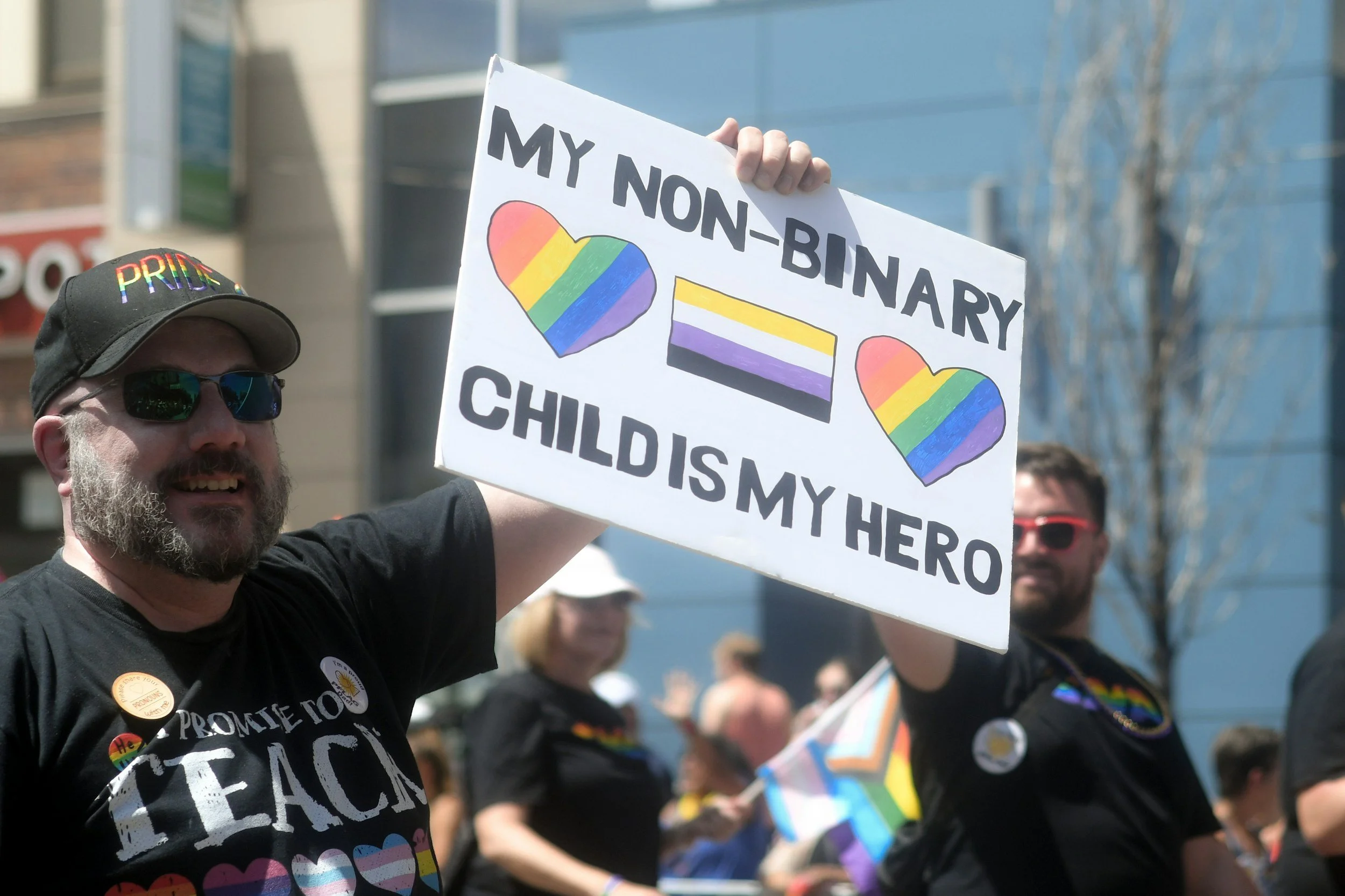
Supporting the rights of marginalized groups makes us all stronger.
How you can support a person or people who are transgender
If you know someone who is transgender, or you’d like to be an ally, your support matters deeply. Here are ways to engage in meaningful, respectful support, and some links to additional resources.
What you can do
Respect names and pronouns: Use the name someone asks you to use, and the pronouns they request. If you aren’t sure, ask politely (“What pronouns do you use?”) and honour their answer.
Educate yourself and listen: A big part of allyship is just showing up, listening without judgment, learning from others’ lived experiences.
Speak up against transphobia: If you hear derogatory comments, misgendering, or see exclusion, you can gently but firmly call it out (when safe to do so). Silence often reinforces harm.
Create inclusive spaces: Whether at home, at church, at work, or in social groups, ask yourself what this environment is doing to affirm or exclude transgender people. Could you add a gender-neutral bathroom, inclusive forms, safe communication norms?
Offer practical support: For someone exploring or transitioning, practical help (finding affirming clinicians, accompanying them to an appointment, checking in) can be very meaningful.
Recognise intersectionality: Understand that a transgender person may also be a person of colour, a parent, a student, a worker with disability, etc. Each intersection may carry additional challenges or resilience.
Helpful resources
National Center for Transgender Equality (NCTE): “Frequently Asked Questions About Transgender People” page. A4TE
Human Rights Campaign (HRC) – “Understanding the Transgender Community” resource. Human Rights Campaign
The Trevor Project – youth-specific mental health support for LGBTQ+ and trans youth. The Trevor Project
When you visit my website’s Resources page in after January 2026, I’ll include a curated list of national + local supports (including ones locally in York, PA, as well as the state of Pennsylvania, New York, and national supports) for transgender individuals and allies.
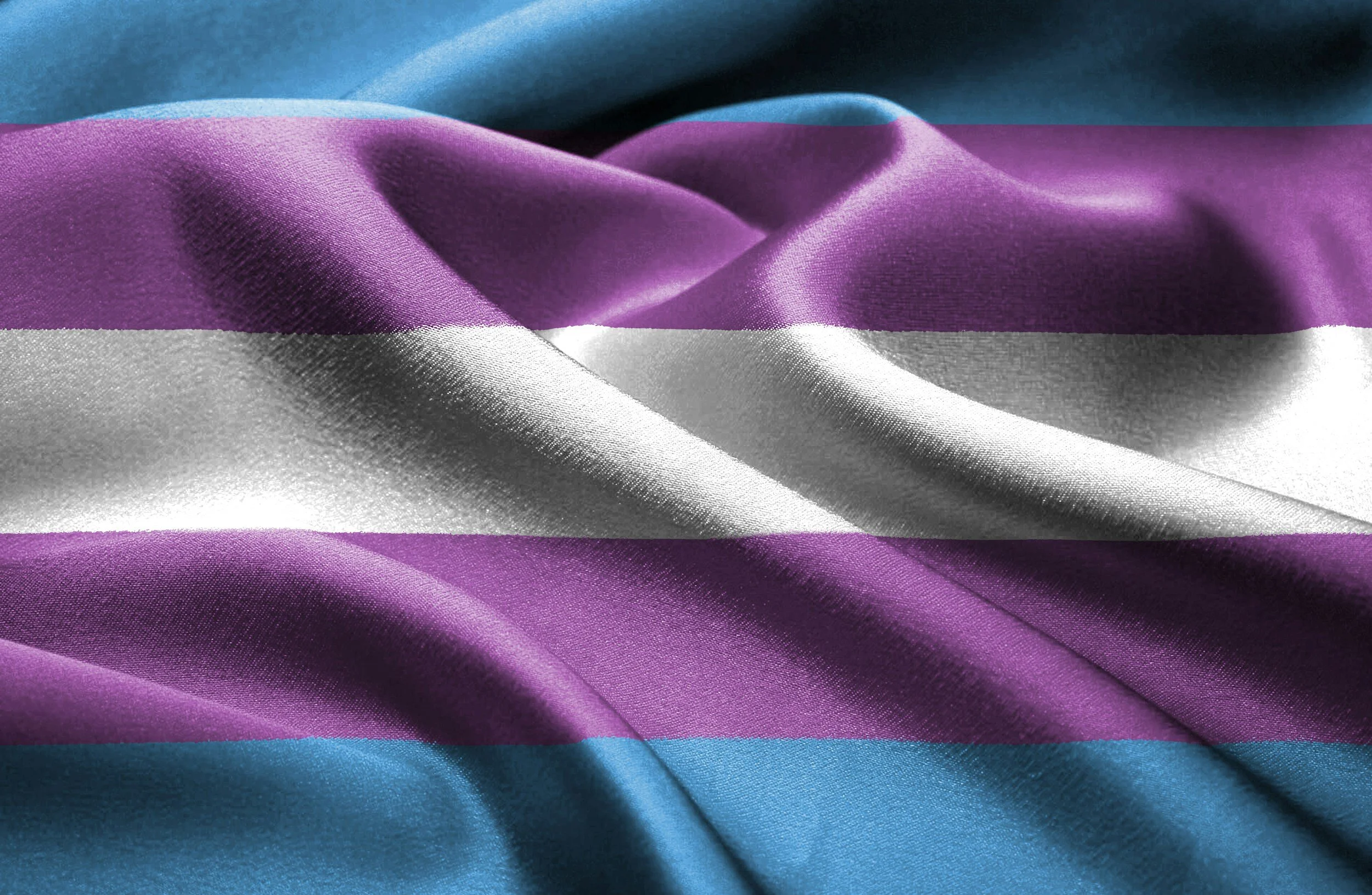
Let’s create space for all people this season, and always.
Ways we can make space for and celebrate transgender people and build a safer, more understanding community
This week is not only about awareness; it’s about meaningful action and community-building. Here are some ways you can show up:
Host or attend a community event during Transgender Awareness Week: maybe a panel, a film screening, a gathering. Even in smaller settings (book club, church group) you could invite a trans-affirming speaker or lead a conversation.
Share stories of transgender people (with permission) in your workplace, school, social media. Visibility helps reduce isolation and builds connection.
Educate your circle: Consider sharing reliable articles, hosting informal “lunch-and-learn” about gender diversity. Ask questions like: What assumptions do we hold about gender? How might those assumptions create barriers?
Affirm with recognition: Celebrate the contributions and presence of transgender people in your community. Use inclusive language (“everyone,” “people of all genders”), challenge binaries when they exclude.
Advocate for inclusive policy: Whether in your workplace, school board, local government, push for gender-neutral restrooms, inclusive forms, respectful HR policies, gender-affirming health care access.
Reflect your own growth: Use this week to check-in with yourself. How have your attitudes and practices changed? What more could you learn? What behaviours could you shift to create more inclusion?

Bringing reflection internally and externally.
Reflection prompts for this week
Here are some questions you may reflect on individually or discuss in your book club, therapy session, or group:
When I think about gender identity beyond male/female, what feelings come up for me? Am I comfortable, curious, confused?
Have I ever met someone who was transgender (knowingly or unknowingly)? What assumptions did I have about them or about myself?
What environments in my life feel safe and affirming for all genders? Which feel less so? What can I do to influence those spaces?
If I know a transgender person (or someone exploring gender), what concrete support could I offer them this week or month?
What policy, practice or attitude in my home/school/work/community could shift to become more inclusive of transgender people?
How might I show up differently as an ally after this week is over? Consider ways that are not only in our words, but in everyday actions.
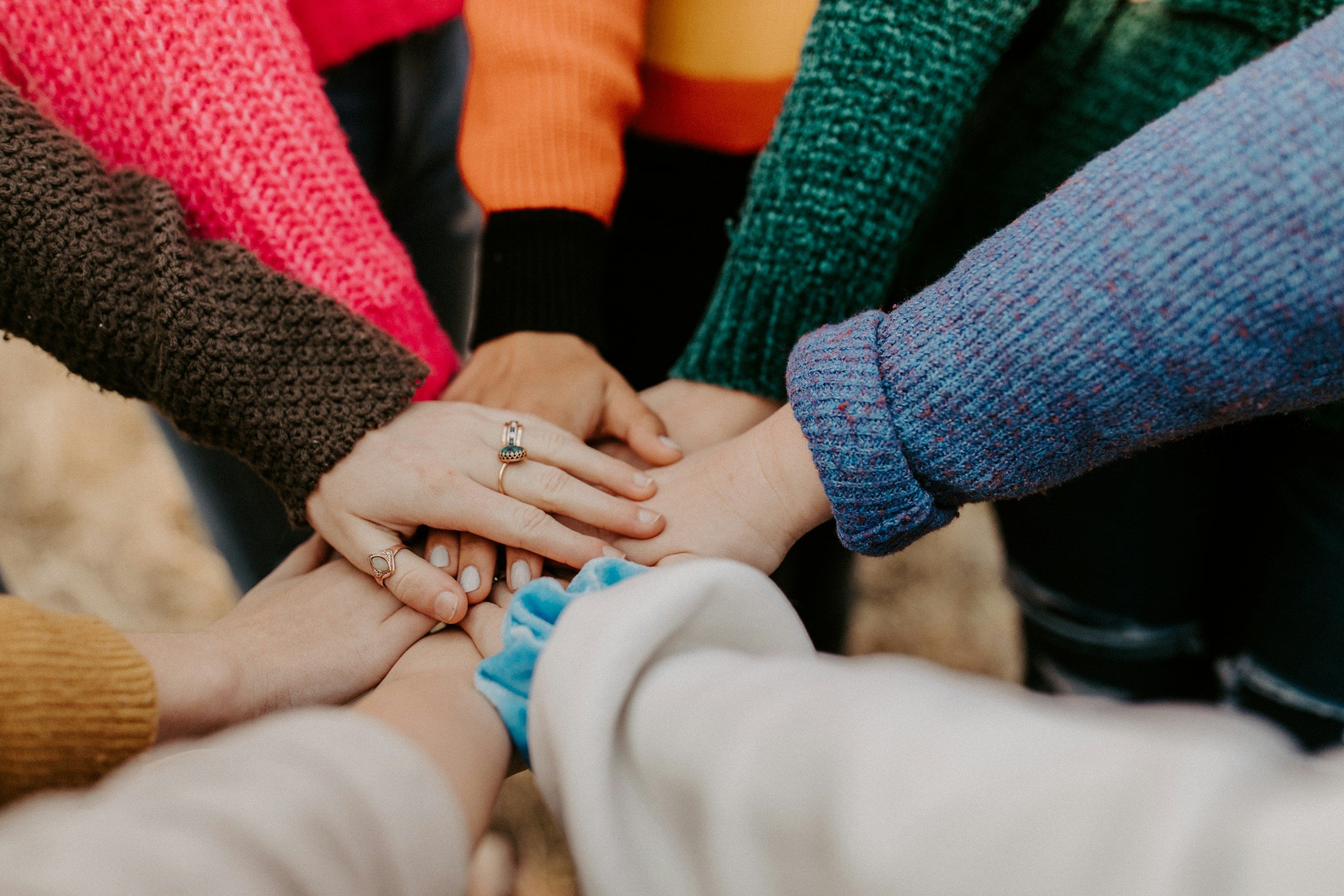
Find out more ways to support yourself and others.
Invitation and Call to Action
As someone who cares, you have a meaningful role to play in making your community a more inclusive place. This week, I invite you to explore ways to take part in your community: attend an event, invite a conversation, support a local trans organisation, educate a friend, or simply ask respectful questions.
I invite you to reach out to me. I’m here to listen, to help you process, and to walk alongside you. Whether you are transgender, exploring your identity, supporting someone else, if you are processing this material and want to talk through your thoughts, questions or next steps.
And remember: soon (January 2026) you’ll find an updated Resources page on my website where I will list supports, organizations, reading lists and local-regional links for transgender individuals and allies. I encourage you to bookmark that and return when it launches.
Thank you for being part of this week’s awareness, for holding space for all genders, and for helping create a community where everyone can be seen, affirmed and safe.
