

Understanding CBT Therapy: A Practical Guide to Changing Thoughts, Reactions, and Life Patterns
Starting therapy can feel overwhelming, and it’s normal to wonder what your sessions might actually look like. One approach we’ll likely use often is Cognitive Behavioral Therapy (CBT). I am sure in our sessions I will reference the CBT triangle, MANY times, a simple visual that shows how your thoughts, feelings, and behaviors are all connected.
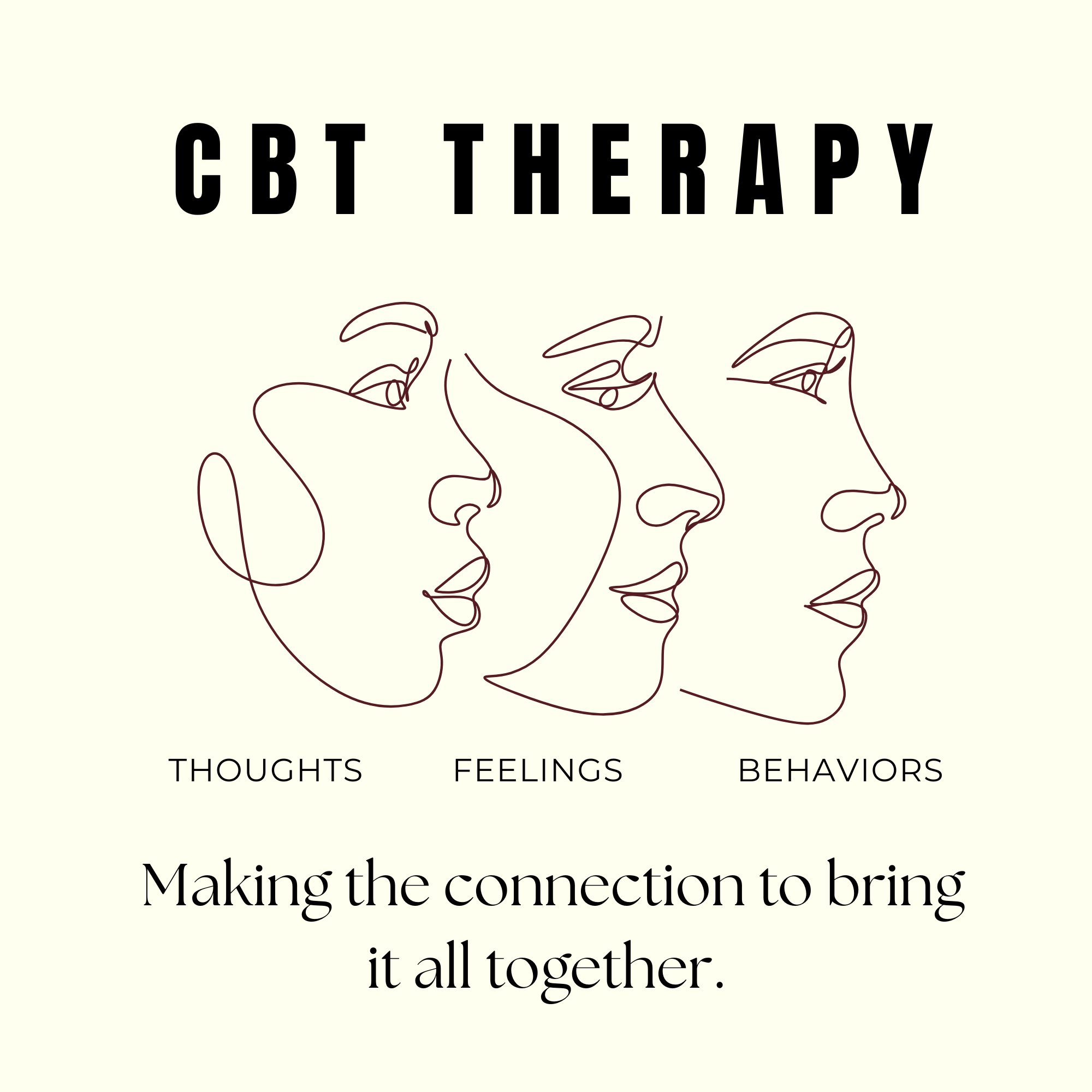
Understanding this triangle is the foundation of CBT, helping you see patterns in how you react to situations and giving you tools to respond differently.
CBT is practical, hands-on, and focused on teaching you skills you can use in your everyday life. It’s not about “fixing” you—it’s about helping you feel more in control of your reactions, reduce stress, and build healthier relationships.
What CBT Looks Like in a Session
CBT sessions are collaborative. Think of me as your guide, helping you notice patterns and experiment with new ways of responding. Here’s what to expect:
Identifying Patterns – We’ll explore situations that feel challenging and notice how your thoughts, emotions, and behaviors connect. For example, a work email might trigger worry or frustration. Together, we’ll examine the thought behind your reaction and see if it’s helpful or if there’s a more balanced way to look at it.
Skill Building – CBT is interactive. You’ll learn exercises to practice challenging negative thoughts, managing stress, and responding thoughtfully instead of reacting automatically.
Real-Life Application – Skills are meant to extend beyond our sessions. You might practice exposure exercises for anxiety, journaling for reflection, or thought records to track patterns in daily life.
Tracking Progress – Regularly checking your goals and reflecting on progress ensures therapy stays relevant and personalized for your life.
Common Ways CBT Can Help
CBT is versatile and can be applied to many areas of life. Some examples include:
Managing Stress and Anxiety – Recognize thoughts that escalate worry and practice calmer responses.
Improving Relationships – Notice automatic reactions in conflicts and try healthier communication patterns.
Breaking Unhelpful Habits – Identify triggers for behaviors like avoidance or procrastination and develop alternative responses.
Building Confidence and Self-Compassion – Challenge negative self-talk and strengthen supportive, realistic self-perceptions.
Applying CBT to Daily Life
Here’s how CBT might look outside of therapy:
Imagine you text a friend and don’t get a reply. A thought pops up: “They must be upset with me; I probably annoyed them.” That thought might lead to stress, frustration, or avoidance. In CBT, we would:
Notice the thought and how it makes you feel.
Examine evidence for and against the thought.
Reframe it to something more balanced, like: “They’re probably busy; this doesn’t mean our friendship is in trouble.”
Respond in a way aligned with your values—maybe sending a follow-up later or letting it go without ruminating.
Over time, these practices help you respond to stress, relationships, and life challenges in ways that feel intentional and empowering.
Why Start CBT with Me
In our sessions, we’ll tailor CBT to your unique experiences and goals. Whether you’re navigating work stress, relationships, or self-doubt, CBT equips you with tools to:
Reframe reactions and thoughts to feel more empowered.
Develop coping strategies that support the life you want.
Strengthen relationships by responding instead of reacting.
Feel more in control of daily challenges and confident in your abilities.
Therapy isn’t about being “broken.” It’s about investing in yourself and building skills that make life feel more manageable and meaningful. Through CBT, we’ll work together to identify patterns, practice new strategies, and create lasting changes that help you live the way you want.
If you’re ready to build these skills and take control of your thoughts, reactions, and relationships, I invite you to reach out and start a session with me. Together, we can create tools that will help you navigate life’s challenges with confidence, clarity, and balance.
